2025-06-05
Top 5 Types of RF Connectors and Their Applications in Modern Electronics
Industrial operations in sectors such as wind power, high-speed rail, automotive manufacturing, intelligent transportation, and smart manufacturing often involve extreme conditions. High temperatures, elevated voltages, heavy vibrations, moisture, dust, and exposure to chemicals create a challenging environment for electrical and signal connections. Selecting the right industrial connector type is critical to ensuring system reliability, safety, and long-term performance.
This guide explores the key considerations and connector types suitable for demanding industrial applications.
Before choosing a connector, it’s essential to evaluate the specific environmental stresses it will face:
High Temperature: Some industrial processes generate sustained heat, which can degrade insulation materials and metal contacts. Connectors must maintain conductivity and structural integrity under elevated temperatures.
High Voltage: Applications with high current or voltage require connectors with sufficient dielectric strength and insulation to prevent arcing or failure.
Mechanical Stress: Vibrations, shocks, and repetitive movements can loosen connections or cause mechanical fatigue in poorly designed connectors.
Moisture and Dust Exposure: Outdoor or harsh industrial environments demand connectors with proper sealing and corrosion-resistant materials.
Chemical Exposure: Certain manufacturing or processing environments expose connectors to oils, acids, or solvents, requiring chemical-resistant components.
Selecting industrial connectors for extreme conditions requires careful consideration of multiple factors:
Material and Construction:
Contacts: Use corrosion-resistant metals such as copper alloys or plated contacts for high conductivity.
Housings: High-temperature plastics, thermoset resins, or metal shells provide durability under heat, voltage, and chemical exposure.
Sealing and Protection:
IP-rated connectors (IP67, IP68) prevent ingress of dust and moisture.
Rubber or silicone gaskets enhance protection in outdoor or wet environments.
Thermal and Voltage Ratings:
Ensure connectors meet or exceed the expected voltage and current requirements.
Check the operating temperature range for both continuous and peak exposure.
Compliance with Standards:
Connectors should comply with IEC, GB/T, UL, or other relevant industrial standards to ensure safety and interoperability.
Mechanical Reliability:
Features such as locking mechanisms, vibration-resistant contacts, and reinforced housings reduce the risk of loosening or failure in high-vibration or shock-prone environments.
Certain connector designs are particularly well-suited for extreme conditions:
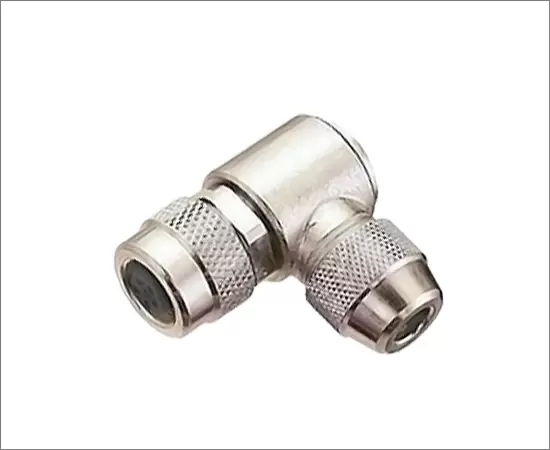
Circular Connectors: Compact, durable, and capable of high pin density. Ideal for vibration-heavy applications like automotive and wind power.
Heavy-Duty Rectangular Connectors: Provide high current carrying capacity, robust housing, and multiple modular configurations. Suitable for high-voltage machinery and industrial automation.
Sealed Modular Connectors: Allow integration of power, signal, and data lines in a single housing with environmental protection, perfect for intelligent transport systems and smart manufacturing.
High-Temperature Specialty Connectors: Designed with heat-resistant materials to withstand continuous exposure to high temperatures in metallurgical or power generation applications.
CAZN Electronic specializes in industrial connectivity solutions for demanding environments. Serving industries such as wind power, high-speed rail, automotive manufacturing, intelligent transportation, and smart manufacturing, CAZN Electronic strictly adheres to IEC, GB/T, and UL standards.
The company offers a wide range of connector types, including circular, rectangular, modular, and heavy-duty designs, tailored to perform reliably under high-temperature, high-voltage, and harsh industrial conditions. By combining robust materials, precision engineering, and compliance with international standards, CAZN Electronic provides connectors that maximize operational safety, minimize downtime, and extend service life.
Conduct a detailed environmental assessment to determine temperature, voltage, and mechanical stress requirements.
Choose connectors certified to relevant standards for safety and compatibility.
Consider modular or multi-purpose connectors to reduce cabling complexity.
Partner with trusted suppliers like CAZN Electronic to access high-quality, durable, and tested connector solutions.
Selecting the right industrial connector for extreme conditions is a critical decision for ensuring system performance, safety, and longevity. By considering material properties, environmental ratings, compliance standards, and mechanical reliability, engineers can optimize their electrical and signal connections even in the harshest industrial environments.
With experience in high-demand sectors, CAZN Electronic provides a complete range of industrial connectors designed for high-temperature, high-voltage, and challenging operational conditions, helping businesses achieve reliable and efficient industrial connectivity.
Privacy Policy