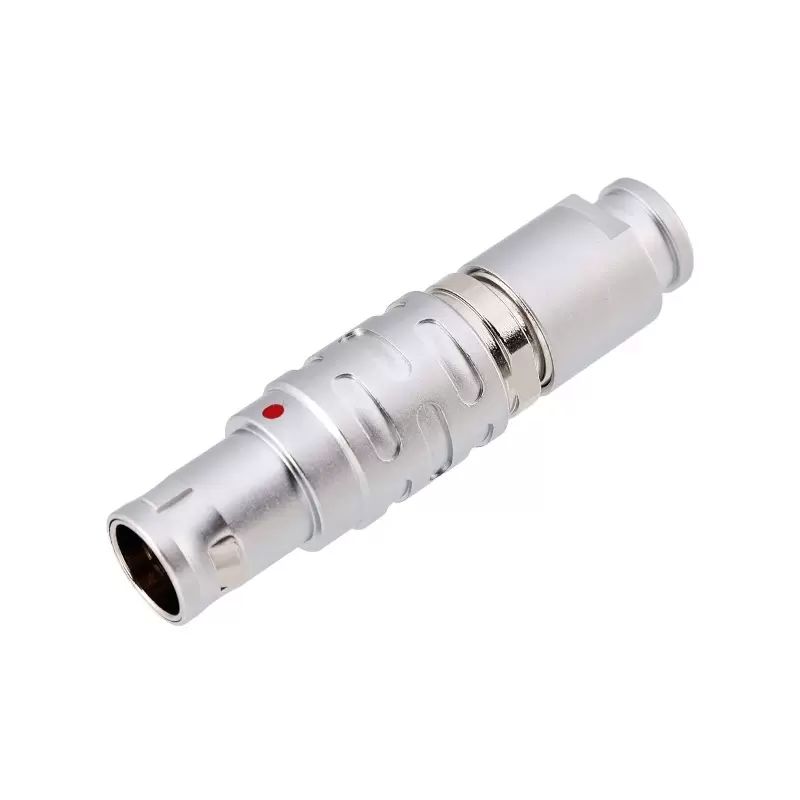
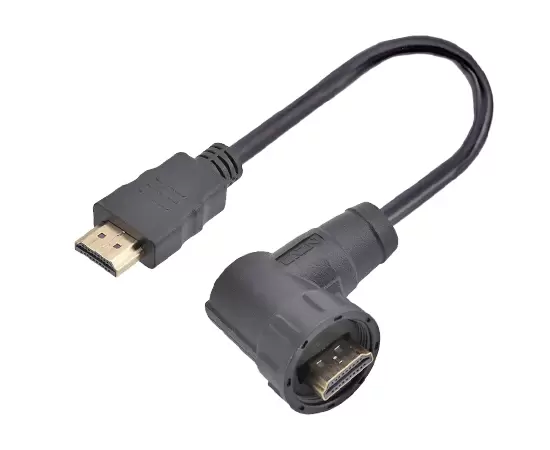
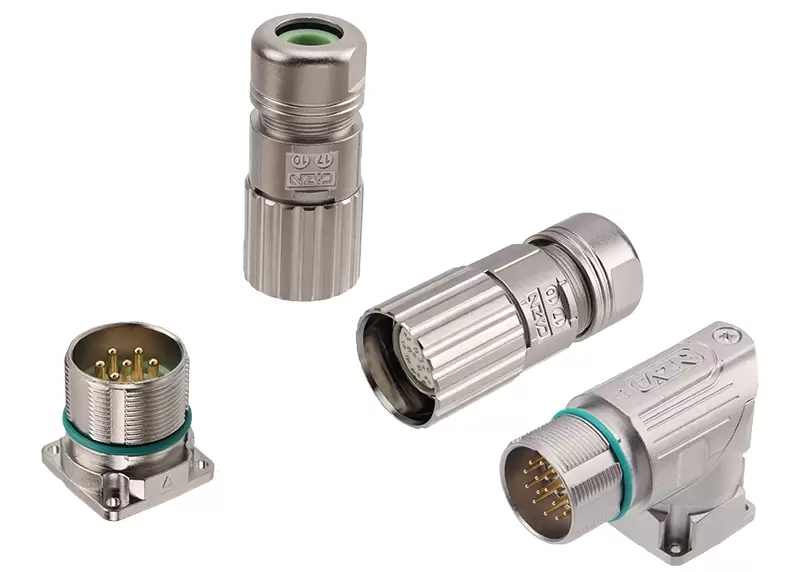
In industrial electrical systems, connectors are often underestimated until failures occur. However, in modern high-reliability applications such as wind turbines, intelligent transportation systems, automated manufacturing equipment, and railway infrastructure, connector performance directly affects operational continuity and system safety.
Among industrial connection components, the mount socket serves as the permanent electrical interface responsible for stable long-term connectivity between critical systems. Unlike temporary consumer-grade connectors, industrial mount sockets must maintain reliable electrical and mechanical performance under continuous vibration, fluctuating temperatures, moisture exposure, and high-current operation.
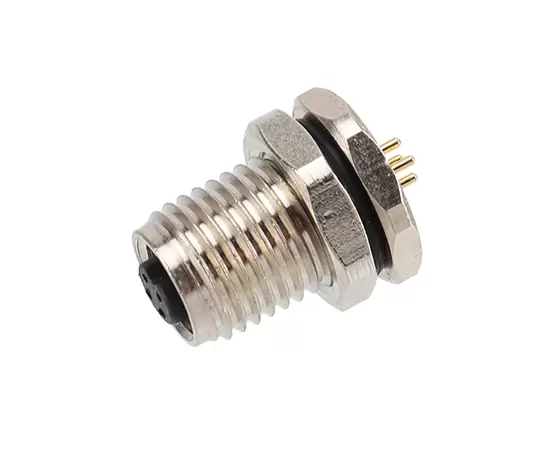
As industrial systems become more intelligent and power-dense, mount socket engineering has evolved into a highly specialized field requiring deep integration of electrical design, thermal management, material science, and mechanical durability.
The Growing Demands on Industrial mount socket Systems
Traditional industrial connectors primarily focused on basic electrical continuity. Modern applications now require significantly more advanced performance characteristics.
Industrial systems increasingly demand:
- higher transmission density
- faster data communication
- compact installation space
- stronger environmental protection
- lower maintenance frequency
At the same time, industrial operating environments have become more demanding.
Typical challenges include:
- continuous mechanical vibration
- outdoor temperature extremes
- exposure to oil and chemicals
- electromagnetic interference
- moisture and condensation
As a result, modern mount socket systems must balance electrical performance, structural strength, and long-term durability simultaneously.
Current Carrying Capacity and Heat Generation
One of the most important design considerations for industrial mount sockets is current carrying capability.
As industrial equipment power density increases, connectors must safely handle higher electrical loads without excessive heat generation.
Typical industrial applications may involve:
- servo drive systems
- robotic control units
- motor power distribution
- renewable energy equipment
- battery energy storage systems
When current increases, contact resistance becomes critically important.
Excessive resistance may cause:
- localized overheating
- insulation degradation
- contact oxidation
- accelerated connector failure
Engineering optimization focuses on:
- increasing effective contact area
- improving conductor materials
- enhancing heat dissipation
- reducing micro-vibration contact instability
Advanced socket systems may use silver-plated or gold-plated contacts to improve conductivity and corrosion resistance.
Connector Miniaturization Versus Reliability
Industrial equipment is becoming increasingly compact.
Automation systems, smart control cabinets, and transportation electronics all require higher connection density within limited installation space.
However, connector miniaturization creates several engineering challenges:
- reduced insulation spacing
- higher thermal concentration
- increased EMI sensitivity
- more difficult heat management
Industrial mount socket design must therefore optimize:
- pin arrangement geometry
- insulation material performance
- shielding effectiveness
- thermal dissipation pathways
The challenge is maintaining industrial-grade reliability while reducing connector size.
Waterproof and Corrosion-Resistant Design
Outdoor industrial applications place extremely high demands on environmental durability.
Industries such as:
- offshore wind energy
- railway infrastructure
- intelligent transportation
- port automation
often expose connectors to:
- rainwater
- salt spray
- humidity
- dust accumulation
- UV radiation
Industrial mount sockets typically require IP65, IP67, or IP68 protection ratings depending on operating conditions.
Key sealing technologies include:
- multi-layer gasket systems
- compression sealing structures
- corrosion-resistant metal housings
- waterproof cable gland integration
Corrosion resistance is particularly important because oxidation may significantly increase contact resistance over time.
Vibration Resistance in Transportation and Automation Systems
Mechanical vibration remains one of the primary causes of connector failure.
Applications such as:
- high-speed rail systems
- automated robotic arms
- heavy industrial machinery
- mobile industrial equipment
generate constant dynamic mechanical stress.
Connector failure modes may include:
- terminal loosening
- intermittent electrical contact
- fretting corrosion
- structural fatigue cracking
To address these issues, industrial mount socket systems may use:
- threaded locking mechanisms
- bayonet coupling structures
- spring-loaded contact systems
- reinforced housing materials
These designs improve long-term mechanical retention stability.
Signal Integrity in Smart Industrial Systems
Industrial equipment increasingly relies on high-speed communication protocols such as:
- Industrial Ethernet
- CAN bus
- PROFINET
- EtherCAT
This creates new challenges for connector signal integrity.
Poor connector performance may lead to:
- packet loss
- unstable communication
- control latency
- data corruption
High-performance mount socket systems therefore incorporate:
- controlled impedance design
- shielding structures
- optimized grounding paths
- low-noise signal contacts
EMC performance is now a core requirement in modern industrial connector engineering.
Fire Safety and Material Compliance
Industrial connection systems must comply with strict safety regulations.
Critical standards may include:
- IEC connector specifications
- UL flammability requirements
- railway fire safety standards
- automotive environmental testing standards
Connector materials are commonly required to provide:
- flame retardancy
- thermal stability
- low smoke emission
- halogen-free compliance
These requirements are especially important in transportation infrastructure and enclosed industrial systems.
Lifecycle Durability and Maintenance Reduction
Industrial customers increasingly prioritize lifecycle operating cost rather than initial purchase price alone.
High-quality mount socket systems help reduce:
- unexpected downtime
- maintenance labor
- replacement frequency
- equipment failure risks
Typical industrial durability targets include:
- thousands of insertion cycles
- stable electrical performance over long service life
- resistance to environmental aging
Long-term reliability becomes especially important in inaccessible installations such as wind turbines or railway infrastructure.
CAZN Electronic develops industrial connection technologies widely used across smart manufacturing, intelligent transportation, wind energy, and industrial automation sectors. By following IEC, GB/T, and UL standards, the company focuses on providing reliable industrial connector solutions for demanding operating environments.
Future Development of mount socket Technology
Industrial connectivity is rapidly evolving alongside automation and intelligent manufacturing technologies.
Future trends include:
- higher-speed industrial data interfaces
- integrated power and signal connectors
- smart connectors with condition monitoring
- lightweight high-strength materials
- modular quick-maintenance systems
As Industry 4.0 expands globally, connectors will increasingly function not only as electrical interfaces but also as intelligent monitoring nodes within industrial systems.
Conclusion
The industrial mount socket has evolved from a simple connector into a critical infrastructure component supporting modern automation, transportation, and energy systems.
Successful mount socket design requires balancing:
- electrical performance
- thermal management
- environmental protection
- vibration resistance
- signal integrity
- lifecycle reliability
As industrial equipment becomes more intelligent, compact, and performance-driven, advanced mount socket technologies will continue playing a central role in ensuring stable, safe, and efficient industrial operations.