2025-01-23
RF Connector Specifications: What You Need to Know
In modern industrial environments, connection reliability directly affects equipment stability, production continuity, and operational safety. Whether in wind power systems, railway transportation, industrial automation, or smart manufacturing lines, the performance of a mount socket determines how effectively electrical power, signals, and data are transmitted under demanding operating conditions.
As industrial equipment becomes more compact, automated, and exposed to harsher environments, traditional connection systems are no longer sufficient for high-vibration, high-current, or outdoor applications. This is why industrial-grade mount socket solutions are increasingly important in sectors requiring long-term electrical reliability and mechanical durability.
A poorly selected socket may cause overheating, unstable communication, connector loosening, insulation degradation, or unexpected downtime. In contrast, a properly engineered industrial mount socket improves connection stability, maintenance efficiency, and lifecycle reliability.
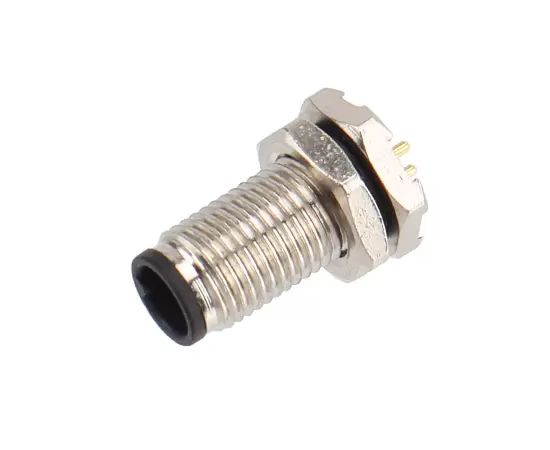
A mount socket is a fixed electrical connector interface designed for panel, chassis, cabinet, or equipment installation. It serves as the primary connection point between industrial systems and external cables or modular devices.
Depending on application requirements, mount sockets may support:
Common installation methods include:
Industrial mount sockets differ significantly from consumer connectors because they must operate reliably under:
Industrial systems often operate continuously for thousands of hours annually. Connection failures can lead to:
In sectors such as wind power or railway systems, connectors may remain installed for 10–20 years under outdoor operating conditions.
Critical performance factors include:
Even small increases in contact resistance may generate excessive heat under high-current operation.
Selecting the correct mount socket requires evaluating multiple electrical parameters.
Industrial mount sockets may support:
Undersized current ratings may lead to:
Typical industrial voltage ratings include:
Voltage selection must account for:
Low contact resistance improves:
High-quality industrial sockets often maintain contact resistance below several milliohms even after repeated mating cycles.
Industrial mount sockets frequently operate in harsh environments.
Typical exposure conditions include:
Ingress protection ratings are critical.
Common industrial protection levels include:
For outdoor wind energy or transportation applications, waterproof sealing performance is especially important.
Industrial sealing systems typically use:
Mechanical durability is essential in applications involving:
Repeated vibration can cause connector loosening or intermittent electrical contact.
Industrial-grade mount socket designs may incorporate:
Typical durability targets include:
High-retention force designs improve connection stability in moving equipment.
Material engineering directly affects connector lifespan and electrical performance.
Common contact materials include:
Surface plating improves:
Industrial mount sockets may use:
Key requirements include:
In high-current systems, thermal management becomes increasingly important to prevent connector overheating.
Modern industrial systems increasingly rely on high-speed communication and intelligent control systems.
Applications such as:
require stable signal transmission with minimal electromagnetic interference.
Industrial mount sockets may incorporate:
Poor shielding may result in:
Require:
Require:
Require:
Require:
CAZN Electronic focuses on industrial connection technologies widely applied in wind power, high-speed rail, intelligent transportation, automotive manufacturing, and smart industrial systems. The company follows IEC, GB/T, and UL connector standards to support high-reliability industrial applications.
Industrial maintenance efficiency directly affects equipment uptime.
Modern mount socket systems increasingly emphasize:
Benefits include:
In automated factories, fast connector replacement can significantly reduce downtime during maintenance operations.
As industrial systems evolve, mount socket technologies are also advancing.
Emerging trends include:
Industry 4.0 and intelligent manufacturing systems are driving demand for connectors capable of supporting:
Industrial mount socket solutions play a critical role in ensuring reliable power and signal transmission across demanding industrial environments.
Key selection factors include:
As industries continue demanding higher reliability, smarter automation, and longer equipment lifecycles, advanced industrial mount socket technologies will remain essential infrastructure components for modern industrial systems.
Privacy Policy