Sep 11, 2025
How to Choose the Right Heavy Duty Connector for Your Project
In modern industrial environments, cable reliability directly affects equipment uptime, communication stability, and overall production efficiency. From automated manufacturing lines and wind power systems to rail transit and intelligent transportation infrastructure, male cables serve as critical connection components between sensors, controllers, motors, actuators, and communication devices.
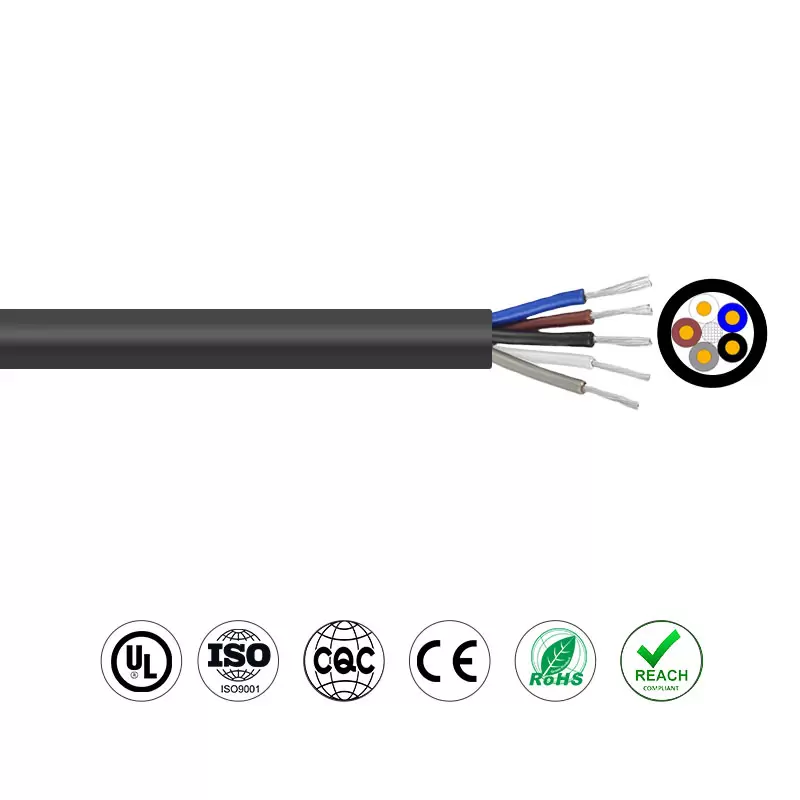
Although often treated as standard accessories, male cables play a major role in ensuring stable power transmission and signal integrity under demanding operating conditions.
Industrial applications expose cables to:
Under these conditions, low-quality male cables can quickly become failure points within automation systems.
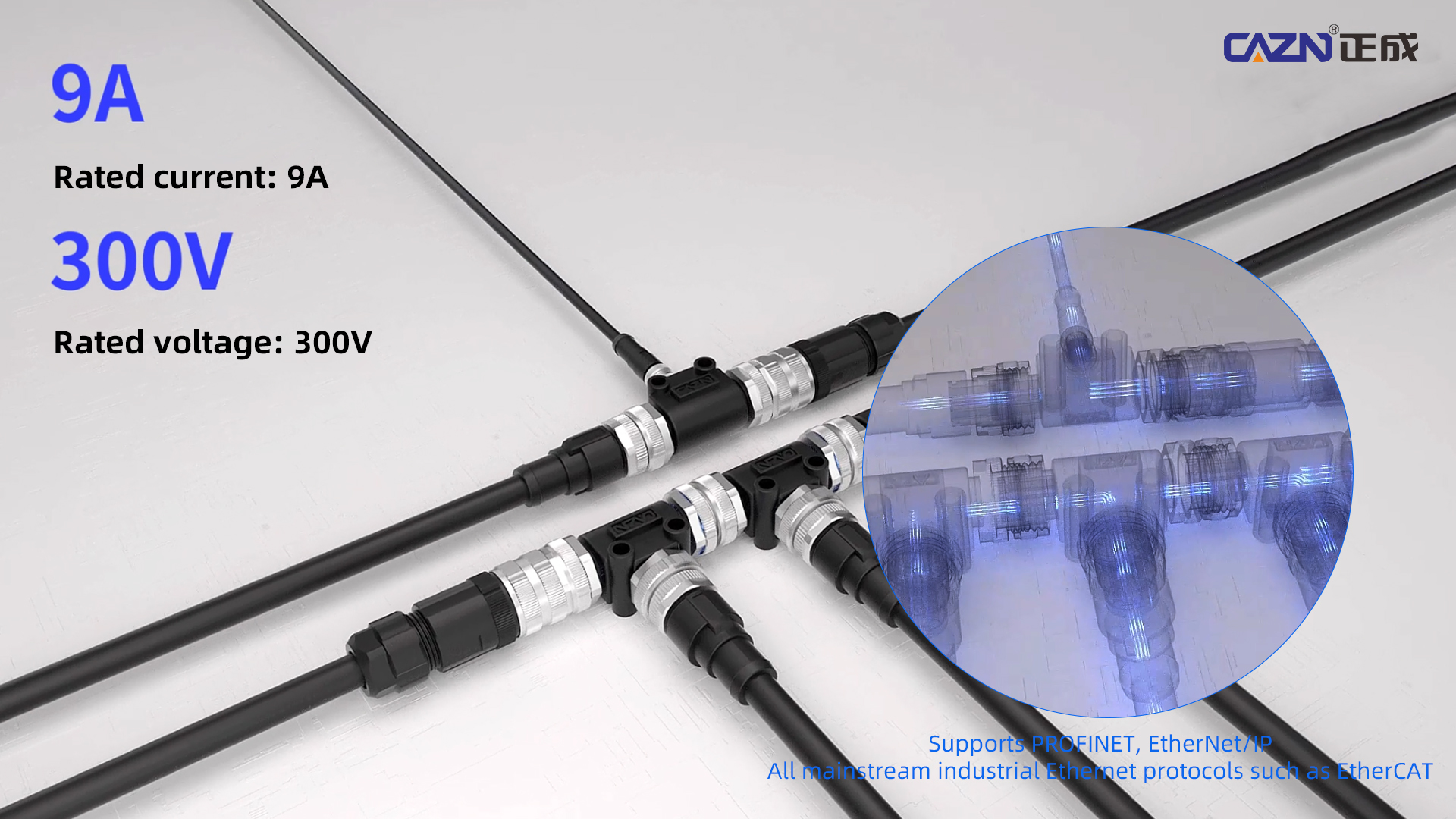
CAZN Electronic specializes in industrial connection technologies and provides cable and connector solutions widely used in wind power, high-speed rail, automotive manufacturing, smart transportation, and intelligent manufacturing industries. Its products are designed according to IEC, GB/T, and UL connector standards to ensure industrial-grade reliability.
Industrial male cables are not simply conductive wires with connectors attached.
They are engineered components designed to maintain:
In automation systems, cable failure can lead to:
Even short interruptions may stop an entire production line.
For high-speed manufacturing environments, connection stability is essential for maintaining production continuity.
One of the most important considerations when selecting male cables is the connector locking mechanism.
Industrial environments with constant vibration can loosen poorly designed connectors over time.
Common industrial locking systems include:
Threaded locking connectors are widely used in harsh industrial environments because they provide strong anti-vibration performance.
For mobile equipment or robotic applications, secure locking helps prevent accidental disconnection during movement.
Industrial automation systems generate significant electromagnetic interference (EMI).
Sources include:
Without proper shielding, signal cables may experience:
Industrial male cables often use:
High-quality shielding improves resistance to external electromagnetic noise while maintaining stable signal integrity.
This becomes especially important in EtherCAT, PROFINET, CAN bus, and industrial Ethernet communication systems.
Industrial environments expose cables to harsh physical and chemical conditions.
Cable jacket materials must resist:
Common industrial cable jacket materials include:
PUR jackets are widely preferred in industrial automation because they offer:
For outdoor systems such as wind power equipment or intelligent transportation infrastructure, UV-resistant jackets are critical for long-term durability.
Industrial male cables frequently operate in environments involving water spray, dust, or outdoor exposure.
IP protection ratings determine environmental sealing capability.
Typical industrial protection levels include:
IP67-rated male cables can typically withstand temporary water immersion while preventing dust ingress.
In industries such as rail transit or outdoor automation, higher protection ratings significantly improve operational reliability.
Industrial systems may operate across wide temperature ranges.
Examples include:
Poor cable materials may become brittle at low temperatures or soften under high heat.
Industrial-grade male cables are commonly designed for temperature ranges such as:
Stable thermal performance reduces insulation degradation and connector failure over long operating cycles.
Robotic automation systems create continuous cable movement.
Cables used in robotic arms or drag chain systems must tolerate:
Standard cables may fail prematurely due to conductor breakage or insulation cracking.
Industrial robotic male cables often use:
High-flex cable designs can withstand millions of bending cycles in continuous automation environments.
Connector contact materials directly influence electrical performance and corrosion resistance.
Industrial connectors commonly use:
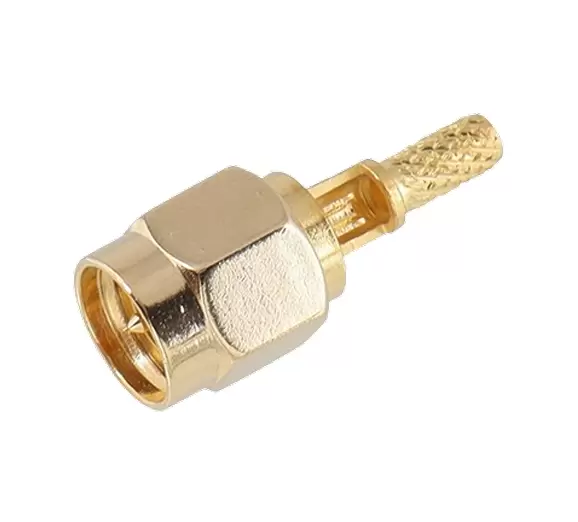
Gold plating improves:
This becomes especially important in low-voltage signal transmission systems where contact instability may affect communication accuracy.
Industrial projects increasingly require compliance with international standards.
Male cables designed according to IEC, GB/T, and UL standards improve:
CAZN Electronic follows international connector standards to support demanding industrial applications across multiple industries.
Male cables are fundamental components within industrial automation infrastructure.
Compared with general-purpose cable assemblies, industrial-grade male cables provide significant advantages in:
As factories continue advancing toward intelligent manufacturing and interconnected automation systems, high-reliability industrial male cables will remain essential for ensuring stable and efficient industrial operations.
Privacy Policy