Feb 07, 2025
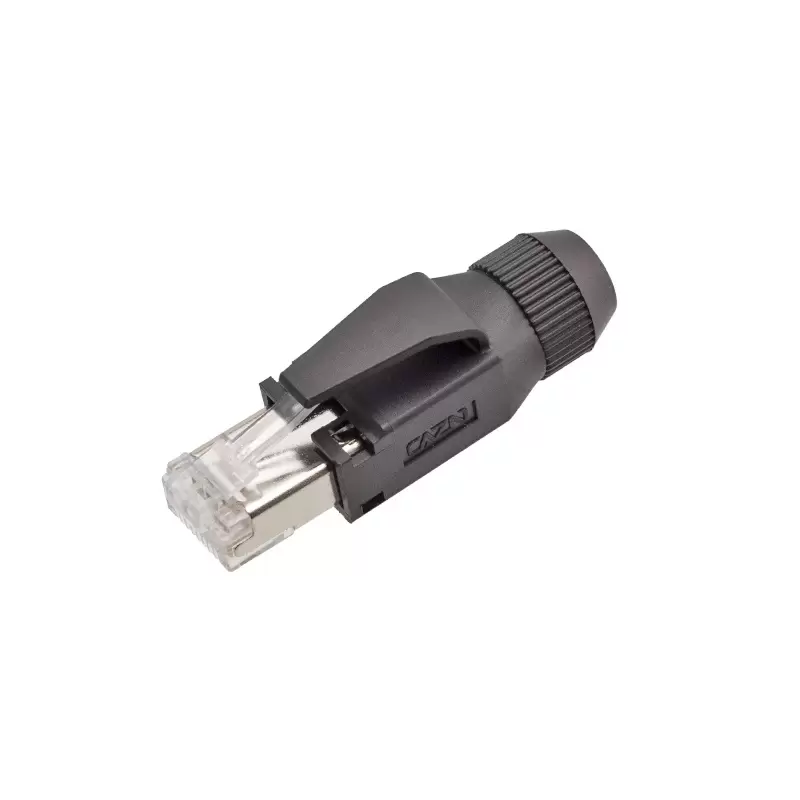
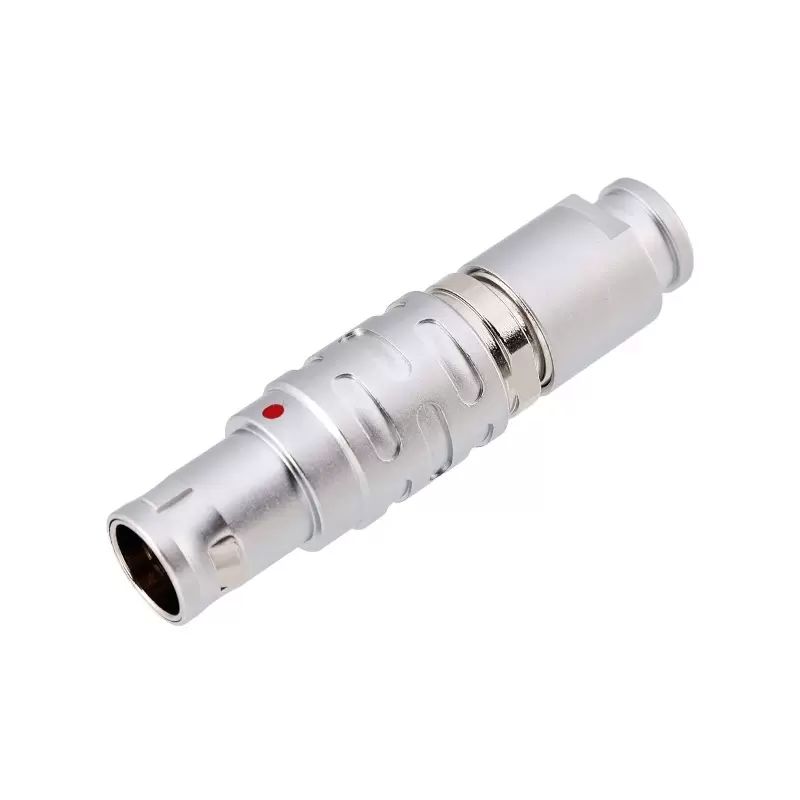
B-Series TGG Straight Plug: Reliable Connectivity for Demanding Applications
In modern industrial automation systems, the industrial usb connector has evolved from a simple data interface into a critical reliability component. It is now widely deployed in smart manufacturing equipment, industrial robots, transportation control systems, wind power monitoring units, and embedded diagnostic modules.
Unlike consumer-grade USB interfaces, industrial environments introduce electrical noise, vibration, temperature cycling, and mechanical stress that directly affect signal integrity. The design of an industrial USB connector must therefore focus on stability under real operational conditions rather than nominal laboratory performance.

CAZN Electronic specializes in industrial connection technology compliant with IEC, GB/T, and UL standards, ensuring that connector systems maintain consistent performance in demanding environments such as rail transit, automotive production, and smart infrastructure.
One of the most critical performance parameters for an industrial USB connector is electromagnetic interference (EMI) resistance.
In industrial environments, sources of EMI include:
These conditions introduce both conducted and radiated noise into signal lines.
To maintain stable USB communication (especially USB 2.0 and USB 3.x protocols), connectors must ensure:
Shielding structure is not only about external metal shells. Internal grounding continuity between plug and receptacle is essential to prevent signal distortion and packet loss during high-speed data transmission.
Industrial USB connectors are frequently subjected to repeated insertion cycles during maintenance, debugging, and equipment replacement.
Typical industrial-grade requirements range from:
Mechanical wear primarily occurs at:
Poor mechanical design leads to:
High-reliability connectors use reinforced contact structures with optimized spring force distribution to maintain stable contact resistance across long lifecycle usage.
Industrial USB connectors are often required to support both data transmission and power delivery simultaneously.
Typical industrial requirements include:
In automation systems, even small resistance fluctuations can lead to:
Therefore, contact material selection (often copper alloy with gold plating) plays a decisive role in long-term stability.
Industrial USB connectors are frequently deployed in environments where dust, moisture, and oil exposure are unavoidable.
Protection levels commonly include:
Sealing design must ensure:
Rubber gaskets, overmolded structures, and multi-layer sealing interfaces are commonly used to achieve these protection levels.
Industrial equipment such as robotic arms, rail systems, and automated assembly lines generate continuous vibration.
Without proper mechanical locking design, connectors may experience:
Industrial USB connectors often integrate:
These design features ensure stable electrical continuity even under continuous mechanical stress.
Different industrial sectors impose different requirements on USB connectivity:
In smart manufacturing systems, priority is high-speed data stability for PLC and sensor networks.
In rail transit systems, vibration resistance and long-term durability are critical.
In automotive production lines, connectors must support frequent maintenance cycles and modular replacement.
In wind power systems, environmental sealing and corrosion resistance dominate design priorities.
A standardized connector approach is not sufficient; application-driven engineering is required to ensure long-term system reliability.
The industrial USB connector is no longer a simple peripheral interface—it is a critical stability node in modern industrial systems.
Key performance dimensions include:
CAZN Electronic designs industrial connection solutions aligned with IEC, GB/T, and UL standards, ensuring that industrial USB connector systems deliver consistent performance in high-demand applications across automation, transportation, and energy industries.
Privacy Policy